Easy home decorating starts with paint, lighting, and layout, in that order. These three changes deliver the biggest visible upgrade per dollar in most US rooms.
Decoration tips decoradhouse from decoratoradvice focus on low-cost changes that reshape a room without a full renovation. The core sequence is simple: measure the room, repaint the walls, fix the lighting, then place furniture and accents. Each step below includes numbers US homeowners can check against their own floor plan.
Key Takeaways
- Measure first. Wall area and floor area drive every budget decision.
- In a 12×14 ft room, walls offer about 2.5 times more visible surface than the floor.
- Paint costs roughly one-tenth as much per square foot of finished surface as laminate flooring (example prices below).
- Layered lighting changes a room more than most furniture swaps.
- Finish renovation work before decorating.
What is easy home decorating? Easy home decorating is the use of cosmetic, non-structural changes such as paint, lighting, layout, and accents to improve a room without permits or contractors.
Decoration Tips DecorAdHouse From DecoratorAdvice: Where to Start
What should you do first when decorating a room?
Measure the room first, then repaint, then fix lighting, and buy furniture last, because measurements and wall color determine which furniture and accents will actually fit and look right. Buying furniture before painting locks in colors the walls may clash with.
How do you measure a room for decor?
Multiply room length by width for floor area, then multiply the room perimeter by ceiling height for wall area, and subtract doors and windows from the wall total. A square foot calculator handles this arithmetic in seconds, but the manual method takes only four steps.
- Floor area = length × width.
- Perimeter = 2 × (length + width).
- Gross wall area = perimeter × ceiling height.
- Net wall area = gross wall area minus openings.
The Surface-Area Math Most Decor Guides Skip
Why does paint beat flooring for visual impact per dollar?
In a 12-by-14-foot room, walls cover about 2.5 times more visible surface than the floor, so paint changes far more of the room for far less money. The calculation uses an 8-foot ceiling.
- Floor: 12 × 14 = 168 sq ft.
- Perimeter: 2 × (12 + 14) = 52 ft. Gross walls: 52 × 8 = 416 sq ft.
- Openings: one door (about 20 sq ft) plus two windows (about 30 sq ft) = 50 sq ft.
- Net walls: 416 − 50 = 366 sq ft. Ratio of gross walls to floor: 416 ÷ 168 = 2.48.
The prices below are assumed examples, not quotes. Replace them with local prices.
| Project | Surface covered | Assumed material cost | Cost per sq ft covered |
| Two coats on all walls (3 gal at $40) | 366 sq ft | $120 | $0.33 |
| One accent wall (1 gal at $40) | 81 sq ft | $40 | $0.49 |
| Laminate floor at $3/sq ft, plus 10% waste | 168 sq ft | $555 | $3.30 |
Under these assumptions, paint delivers roughly ten times more finished surface per dollar than new flooring.
When does the paint-first rule not apply?
Paint-first fails in rentals with strict color rules, rooms with damaged flooring, and spaces where a single dominant element, like worn carpet, overpowers every wall color. In those rooms, spend on the dominant element first.
Two coverage figures also need separating. Manufacturer labels typically state 350 to 400 sq ft per gallon, which assumes smooth, primed walls. Textured drywall absorbs more paint, so real coverage runs lower. The 2.1-gallon result (732 sq ft of two-coat coverage ÷ 350) rounds up to three gallons for that reason.
Easy Room-by-Room Decorating Ideas
What lighting change makes the biggest difference?
Replacing a single overhead bulb with layered lighting, meaning ambient, task, and accent sources, makes a room look larger and more finished without any structural work. Per U.S. Department of Energy lighting guidance, bulb color temperature sets the mood.
- Ambient: ceiling fixture or torchiere.
- Task: desk, reading, or under-cabinet lamps.
- Accent: picture lights or LED strips.
How do you arrange furniture in a small room
Anchor the layout with one rug, keep a 30-inch walkway clear, and choose furniture with visible legs so the floor stays visible and the room reads larger. Checking sizes on sites like Homezel against the measured floor plan prevents returns.
Which accents add style without adding clutter?
Three to five accents, such as a mirror, textured throw, and framed art, add personality while keeping surfaces clear enough for the room to feel calm. Small home hacks decoradtech readers favor, like swapping cabinet hardware or adding peel-and-stick backsplash, give a similar lift for under $100.
Extending Decor Beyond the Living Room
How can decor ideas extend to the garden?
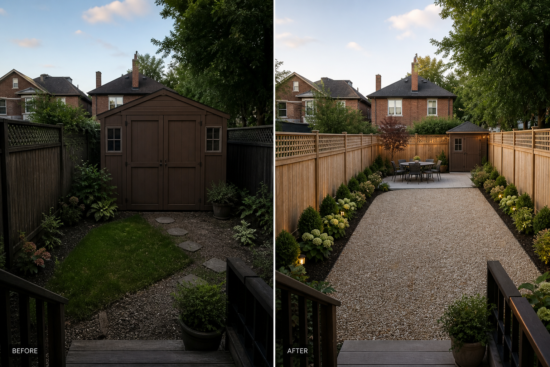
Match outdoor colors to the interior palette, add layered lighting, and use container plants to create an outdoor room that feels connected to the home. The decoradhouse garden tips section of this blog covers container layouts in more depth.
When does decorating become renovation?
Decorating becomes renovation when work involves permits, plumbing, electrical wiring, or structural changes, so cosmetic updates like paint, lighting, and hardware stay in the decorating category. Renovation tips from decoratoradvice start with the same measurement step used above.
Remodeling spending shifts yearly. The Harvard Joint Center for Housing Studies tracks it quarterly: [insert current 2026 stat/source].
A budget-friendly home upgrade decoradtech projects often include:
- New light fixtures and bulbs.
- Updated door hardware.
- Fresh caulk and paint on trim.
Frequently Asked Questions
How much does it cost to redecorate a room?
A basic room refresh with paint, bulbs, and a few accents costs roughly $200 to $600 in 2026, depending on room size and material grade. The range combines the $120 paint example above with $100 to $300 for accents and lighting.
How many gallons of paint does a 12×14 room need?
A 12-by-14-foot room with 8-foot ceilings needs three gallons for two coats, based on 366 net wall square feet and 350 square feet per gallon. The exact figure is 2.09 gallons, so buying three leaves room for touch-ups.
What is the easiest way to make a small room look bigger?
Use light wall colors, mirrors opposite windows, and furniture with exposed legs, because these three changes increase reflected light and visible floor area. Each one costs less than new flooring or built-ins.
Should you decorate before or after renovating?
Finish renovation first, because drywall repair, electrical work, and flooring installation damage fresh paint and accents, and decor choices depend on final materials. Decorating comes last in the project order.
What color temperature works best for home lighting?
Warm white bulbs rated 2700K to 3000K suit living rooms and bedrooms, while cooler 3500K to 4000K bulbs suit kitchens and workspaces. Mixing temperatures within one room looks uneven.
How many decor items are too many?
Placing more than five loose accents on one surface creates visual clutter, so limit each shelf or table to three to five items of varied height. Grouping in odd numbers reads as intentional.
Bottom line
Decoration tips decoradhouse from decoratoradvice reduce to one sequence: measure, paint, light, arrange, and accessorize. In a 12×14 ft room, paint covers 2.5 times more visible surface than the floor at roughly one-tenth the cost per square foot. Apply that math before spending on anything else.