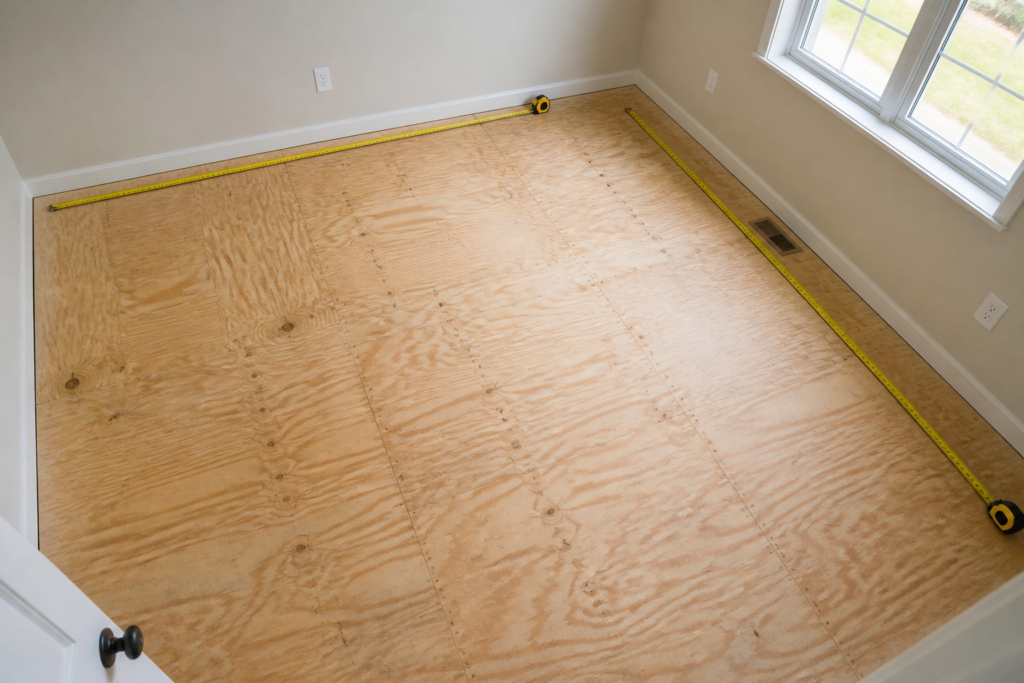
Smart renovation ranks each upgrade by cost per square foot improved, then schedules wiring before finishes. This order cuts rework and stretches a limited budget further.
The best home upgrades deliver the most improved space per dollar. Divide each project’s cost by the square footage it improves, rank the results, and do the low-cost, high-coverage jobs first. Install wiring and smart devices before paint and trim. These decoradhouse renovation tips from decoratoradvice prevent patching, repainting, and wasted spending.
Key Takeaways
- Rank every upgrade by cost per square foot improved.
- Smart devices and lighting often beat paint and flooring on this measure.
- Wire first, finish last.
- Safety and moisture repairs skip the ranking and come first.
- Garden upgrades are measured by bed or patio area, not yard size.
What Is Cost per Square Foot Improved?
Cost per square foot improved is the total upgrade cost divided by the floor area the upgrade visibly or functionally changes.
A $150 thermostat that controls a 900-square-foot zone improves 900 square feet. A $200 garden edging project that reshapes an 80-square-foot bed improves 80.
This differs from the cost per square foot purchased. A gallon of paint covers a set wall area, but the measure here tracks the room area the upgrade changes.
How to Rank Upgrades Step by Step
How do you calculate cost per square foot?
Divide the total project cost by the square footage the upgrade actually affects, then compare the results across every planned upgrade to rank them from cheapest to costliest.
The math takes five minutes. Use the Square Foot Calculator for irregular rooms and beds.
- List every upgrade under consideration.
- Get a real local quote or shelf price for each.
- Measure the area each upgrade affects.
- Divide cost by area.
- Sort from lowest to highest.
Homeowners comparing fixtures and materials on Homezel should record each item’s coverage area before buying.
What does a 12×12 room example show?
A smart thermostat priced at $150 serving 900 square feet costs $0.17 per square foot, ranking above a $120 lighting swap at $0.83 for 144 square feet.
The table below uses example inputs. Replace each cost with a local quote [insert current stat/source].
| Upgrade | Example cost | Area improved | Cost per sq ft | Rank |
| Smart thermostat | $150 | 900 sq ft (zone) | $0.17 | 1 |
| LED lighting swap | $120 | 144 sq ft | $0.83 | 2 |
| Interior paint | $180 | 144 sq ft | $1.25 | 3 |
| Garden edging | $200 | 80 sq ft (bed) | $2.50 | 4 |
| Vinyl plank flooring | $600 | 144 sq ft | $4.17 | 5 |
The thermostat costs more than the lighting swap but ranks higher. Coverage, not price, drives the ranking. Sorting by sticker price alone puts the thermostat third.
DecorAdHouse Renovation Tips From DecoratorAdvice: The Upgrade Order That Saves Money
What order should home upgrades follow?
Complete electrical, low-voltage, and smart devices work first, then drywall repair, paint, and flooring last, so no finished surface needs cutting open or repainting.
The sequence is “wire first, finish last.” Rough-in work happens behind the surface. Finishes hide it.
Follow this order:
- Structural, moisture, and safety repairs
- Electrical and low-voltage wiring
- Smart device and fixture mounting
- Drywall patching
- Paint
- Flooring and trim
- Decor and styling
Which mistake causes the most rework?
Installing smart switches or thermostat cables after paint causes the most rework, because installers must cut into finished walls, patch drywall, and repaint the entire wall for a seamless match.
Partial touch-ups rarely match aged paint. The whole wall usually needs recoating.
| Step done out of order | Rework caused |
| Smart switches after paint | Cut-outs, patching, full-wall repaint |
| Thermostat cable after flooring | Lifting trim and floor edges |
| Fixture swap after ceiling paint | Ceiling touch-up or recoat |
| Garden lighting cable after mulch | Re-digging finished beds |
Smart Home Upgrades That Rank Well
Which smart upgrades cost least per square foot?
Smart thermostats and smart LED bulbs cost the least per square foot because each device serves a whole zone or room, unlike surface finishes that cover only their own area.
One device replaces many small purchases. Coverage is the advantage.
Readers exploring decoradtech smart home ideas can start with a thermostat, smart bulbs, and a hub.
Each of these belongs in step three of the order above. A home upgrade decoradtech reader plans should schedule cable runs before any paint touches the wall.
The U.S. Department of Energy states that setting a thermostat back 7 to 10 degrees for eight hours a day saves as much as 10 percent a year on heating and cooling. That figure covers heating and cooling only, not the full utility bill.
Interior Decoration Upgrades
Where should decoration start?
Lighting comes first in decoration because it changes how every color, texture, and piece of furniture reads, at a lower cost per square foot than most finishes.
Basic decoration tips decoradhouse readers use begin with bulb color temperature and fixture placement.
Paint comes next. Choose the finish after the wiring is done. The platform’s paint color guides cover shade selection.
Garden and Exterior Upgrades
How should you rank garden upgrades?
Measure only the bed, path, or patio area being changed, then divide the cost by that footprint; garden upgrades rank lower because their coverage is smaller.
Yard size is the wrong denominator. A $200 edging project in a small bed is a small-footprint job.
Most decoradhouse garden tips work best after interior wiring and any exterior cable runs are done. Bury lighting cable before mulch and edging go down.
Exceptions to the Ranking Rule
When does the cost per square foot rule not apply?
The rule fails for safety, structural, and moisture repairs, and for upgrades chosen for comfort or resale value rather than coverage, where one room matters more than the area.
A leaking roof or faulty wiring comes first at any price. Delay raises repair costs.
A kitchen refresh may rank low on the formula and still lift resale value more than any other room. Among decoradhouse upgrade tips, this one matters most: the ranking guides budget order, not the final decision.
Two figures need separating. The example costs above are per-project estimates. The Department of Energy figure is an annual percentage saving on heating and cooling. They measure different things.
Cost trends shift yearly. Check NAHB remodeling cost data for current national averages.
Frequently Asked Questions
How do you decide which home upgrade to do first?
Rank every upgrade by cost divided by the square footage it improves, then start with the lowest cost per square foot, unless a safety or leak repair exists.
Repairs always jump the queue. The ranking applies to everything else.
Should you install smart home devices before or after painting?
Install smart devices before painting. Wiring, hubs, and switch boxes require opening walls, and painting first forces patching and repainting of the finished surface afterward.
Schedule device mounting right after wiring and before drywall patching.
What is the cheapest home upgrade that improves the most space?
Whole-home or zone-wide upgrades, such as a smart thermostat or LED lighting swap, usually cost the least per square foot because one purchase serves a large area.
Surface finishes like flooring cost more per square foot.
Do garden upgrades count in the cost per square foot ranking?
Yes, but measure the planted or paved bed area, not the whole yard. Garden work covers a smaller footprint, so it ranks below interior lighting and controls.
Use the same formula with the bed or patio measurement.
When should you ignore the ranking?
Ignore the ranking for structural, electrical, plumbing, and roof problems. Safety and damage repairs come first regardless of cost per square foot, because delay increases repair costs.
Rank only after these are resolved.
Bottom line
Rank each upgrade by cost per square foot improved, then wire first and finish last. Coverage beats sticker price, and correct sequencing prevents repainting and re-digging. That is the core of DecorAdHouse renovation tips from DecoratorAdvice: spend where one dollar improves the most space, in the right order.