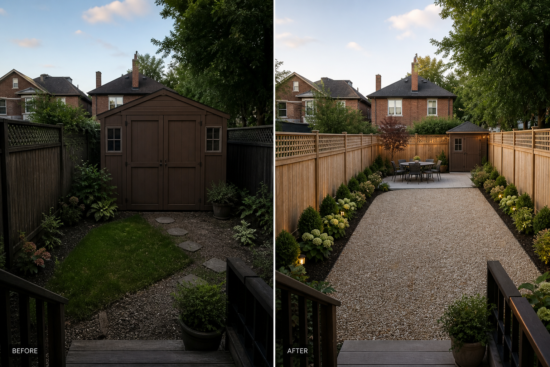
A beautiful garden starts with a measured layout and plants matched to your climate. Get the square footage first, then pick plants, paths, and lighting to fit that space.
DecorAdHouse garden tips by DecoratorAdvice come down to a simple order of work. Measure the space, check the USDA hardiness zone, stack plants in layers, and finish with mulch, edging, and lighting. Most people skip the first step and buy plants on impulse. Then they find out the bed needs twice as many, or half.
Key Takeaways
- Measure the bed before buying anything. Square footage decides every quantity.
- Pick plants by USDA hardiness zone, not by what looks good on a nursery shelf.
- A 3-inch mulch layer takes 0.25 cubic feet per square foot of bed.
- Established beds need about one inch of water a week.
- Mulch, edging, and lighting change a yard’s look faster than any other spend.
- Recent US gardening spending data: [insert current stat/source, 2025–2026]
What Is a Beautiful Garden Design?
A beautiful garden design is a planned outdoor space where layout, plants, color, and hardscape work together in every season.
It isn’t a pile of nice plants. Each piece has a job, like screening a fence, adding color in autumn, or giving you a place to sit.
DecorAdHouse Garden Tips by DecoratorAdvice: Start With a Tape Measure
Garden plans usually fall apart at the shopping stage. Someone picks twelve plants they love, gets home, and the bed is far bigger than expected.
Measure the length and width in feet and multiply. Odd shapes are easy too: split them into rectangles and triangles, work out each part, and add them up. A square foot calculator does this quickly, though graph paper works fine.
The rest of this article uses one example bed measuring 10 by 12 feet. That’s 120 square feet, and every number below comes from it.
Mulch and Edging Math
Mulch is sold by the cubic yard, but beds are measured in square feet. The gap between the two trips up a lot of buyers.
For a 3-inch layer, multiply the area by 0.25 to get cubic feet, then divide by 27 for cubic yards. The example bed needs 30 cubic feet, which is about 1.11 cubic yards. Some online tools from Homezel run this conversion for you, but it’s quick to check by hand.
| Bed area (sq ft) | Mulch at 3 in (cu ft) | Mulch at 3 in (cu yd) |
| 50 | 12.5 | 0.46 |
| 100 | 25 | 0.93 |
| 200 | 50 | 1.85 |
| 400 | 100 | 3.70 |
One cubic yard covers 108 square feet at 3 inches deep, or 324 square feet at 1 inch.
Edging follows the perimeter: two times the length plus two times the width. The example bed needs 44 feet. Add about 5 percent for cuts and curves, and you land near 46 feet.
When the 3-Inch Rule Doesn’t Work
Three inches is a good default, but it backfires in wet spots. Thick mulch holds water against bark and stems, and that’s how rot starts.
- Keep mulch 1 to 2 inches back from tree trunks and plant stems.
- Drop to about 2 inches in heavy clay soil.
- Top up thin patches each year instead of burying old mulch under new.
Matching Plants to Your Climate
Start with the USDA Plant Hardiness Zone Map. Type in a ZIP code, note the zone, and shop for plants rated for it. The current version of the map came out in 2023.
Some gardeners choose plants rated one zone colder than their own. A surprise cold snap then does less damage.
Light and drainage count just as much as zone. Full-sun plants want six hours or more of direct sun. To test drainage, dig a hole, fill it with water, and see how long it takes to empty.
Layering for Color All Year
Tall shrubs go at the back, mid-height perennials in the middle, and low groundcovers along the front. This gives the bed depth even in a small yard.
Bloom timing matters too. Mix early, mid, and late bloomers so something is always flowering. Many decoration tips decoradhouse followers use to call for planting in groups of three or five, since odd numbers look more natural and repeatedly tie the bed together.
How Many Plants Fit in One Bed?
Nursery tags give a rough count, but mature spread is a better guide. Divide the bed area by the space each plant fills when fully grown.
A plant with a 2-foot spread covers about 3.1 square feet (π × 1²). The example bed fits roughly 38 of them at maturity. That’s a ceiling, not a shopping target.
New perennials look thin for the first two or three years. Filling gaps with annuals works better than crowding, because packed plants fight over water and catch more disease.
Watering Basics
Most established beds do well on about one inch of water a week, from rain or a hose. Soaking deeply now and then builds stronger roots than a daily sprinkle.
Checking is simple. One of the home hacks decoradtech fans swear by is leaving a straight-sided jar in the bed to see how much rain actually fell. Per EPA WaterSense, landscape irrigation makes up nearly one-third of household water use across the US.
Those two numbers aren’t the same kind of figure. The EPA number is a national share of home water use. The one-inch target is a weekly guideline for a single bed.
Garden Lighting
Low-voltage LED fixtures are the easy route. They install without an electrician and give off a soft evening glow.
Space fixtures 6 to 8 feet apart to avoid bright patches. Light paths and steps first for safety, then pick one tree or focal plant to uplight. Warm white bulbs look softer than cool white.
Cheap Upgrades That Show
Fresh mulch, sharp edging, and a few pots by the front door make the biggest visible difference for the least money. Most decoradhouse upgrade tips for a tired yard begin right there. Patios and bigger builds can come later.
Think of the garden as an outdoor room.
Mulch and paths are the floor. Hedges and fences are the walls. The tree canopy is the ceiling.
Some renovation tips from decoratoradvice use this idea to find what a yard is missing. No walls, and the space feels exposed. No floor, and it looks unfinished.
Bed Types Compared
| Bed type | Best for | Main drawback |
| In-ground | Large spaces, low cost | Soil needs testing and amending |
| Raised bed | Poor soil, easy access | Costs more to build |
| Container | Patios, renters | Dries out fast |
FAQs
How do you start a garden from scratch?
Measure the space, test the soil, and confirm your hardiness zone. Then sketch the planting areas and work out mulch and edging amounts before buying any plants.
Plants come last. Drainage matters more than any single plant choice.
What are the easiest plants for a beautiful garden?
Coneflower, daylily, and sedum are hardy perennials that handle drought and poor soil, so they suit beginners in most US zones.
Check that each variety is rated for your zone.
How much does a small garden cost?
Cost depends on bed size, soil condition, and plant choice. Work out square footage first, then price mulch, edging, and plants separately to get a realistic budget.
Mulch and edging are easy to predict once the area is known. Plants swing the total the most.
When is the best time to plant?
Spring and early fall work for most US regions. Mild temperatures and steady moisture give roots time to settle before summer heat or winter frost.
Cold regions lean toward spring. Warm regions often do better in fall.
How often should mulch be replaced?
Top up organic mulch once a year. It breaks down over time, and the layer drops below the useful depth of two to three inches.
A ruler pushed into the bed each spring tells you when.
Final Remarks
DecorAdHouse garden tips by DecoratorAdvice boil down to a routine anyone can repeat: measure, match plants to climate, layer for the seasons, then add mulch, edging, and lighting. One square-foot figure turns a vague plan into an exact shopping list. Gardens planned this way cost less and look finished sooner.