Interior design styles are recognizable sets of rules for color, furniture, materials, and layout that give a home one consistent look. Choosing one prevents mismatched purchases and speeds later decisions.
The ten main interior design styles in U.S. homes are modern, contemporary, minimalist, Scandinavian, Japandi, mid-century modern, industrial, modern farmhouse, traditional, and coastal. Each differs in palette, materials, and furniture shape. The fastest way to choose is to match a style to the furniture already owned, because some styles share most of their pieces.
Key Takeaways
- The ten styles sort into three families: clean-line, textured-casual, and classic.
- Styles in the same family share three or four of five core attributes, so switching between them means replacing accents, not furniture.
- Scandinavian to Japandi is the cheapest switch. Traditional to industrial is the most expensive.
- U.S. homeowners spent a median of $20,000 on renovations in 2025, per the 2026 U.S. Houzz & Home Study.
- Mixing two styles at an 80/20 ratio is standard practice, not a mistake.
What Is an Interior Design Style?
What is an interior design style? An interior design style is a repeatable set of choices for color, material, furniture shape, and ornament that makes a room read as one look.
A style differs from a trend. A trend is a single choice, such as a paint color, that rises and fades within a few years. A style is a full system that stays recognizable for decades.
Most lists present the types of interior design as unrelated options. The designmode24 interior design approach groups them into three families instead, because family membership predicts how much furniture survives a change of style.
The 10 Main Interior Design Styles Compared
| Style | Palette | Signature materials | Furniture shape | Best fit |
| Modern | White, black, warm wood | Wood, leather, steel | Straight, low, unadorned | Open-plan homes |
| Contemporary | Warm neutrals, one bold accent | Bouclé, stone, mixed metals | Curved, sculptural | New builds |
| Minimalist | White, gray, beige | Plaster, concrete, plain wood | Simple, few pieces | Small spaces |
| Scandinavian | White, pale gray, soft pastels | Pale oak, wool, linen | Light, tapered legs | Low-light rooms |
| Japandi | Cream, charcoal, earth tones | Dark and pale wood, paper, stone | Low, horizontal | Calm bedrooms |
| Mid-century modern | Mustard, olive, teal, walnut | Walnut, teak, brass | Tapered legs, organic curves | Ranch homes |
| Industrial | Black, gray, rust, brown | Brick, steel, worn leather | Heavy, exposed frames | Lofts, high ceilings |
| Modern farmhouse | White, black, natural wood | Shiplap, reclaimed wood, iron | Sturdy, slipcovered | Family homes |
| Traditional | Navy, burgundy, cream, gold | Mahogany, cherry, velvet, silk | Carved, rolled arms | Colonial homes |
| Coastal | White, sand, soft blue | Rattan, jute, light wood, linen | Relaxed, slipcovered | Bright rooms |
These ten home decor styles cover the vocabulary used by most U.S. furniture retailers, which makes the table a practical shopping filter.
The Three Style Families
Clean-Line Styles
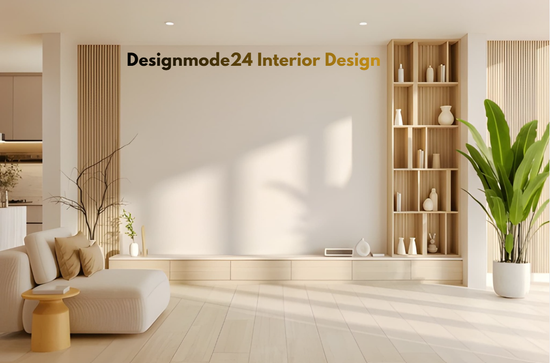
Modern, contemporary, minimalist, Scandinavian, Japandi, and mid-century modern rooms all rely on straight or gently curved furniture, uncluttered surfaces, and little or no applied ornament. In strict terms, modern interior design refers to a fixed early-to-mid 20th-century look, while contemporary means whatever is current. Japandi blends Scandinavian lightness with darker Japanese woods and lower furniture.
Textured-Casual Styles
Industrial, modern farmhouse, and coastal rooms get their character from visible texture such as brick, reclaimed wood, shiplap, rattan, and linen rather than from sleek finishes. Industrial runs dark and metallic, while farmhouses and coastlines run light and soft. All three hide well, which suits households with children or pets.
Classic Styles
Traditional rooms draw on 18th- and 19th-century European furniture, with carved wood, rolled arms, symmetrical layouts, layered patterned fabrics, and rich colors such as navy and burgundy. The transitional style softens this look by pairing traditional shapes with a neutral contemporary palette.
Which Styles Share Furniture? The Style-Switch Matrix
Every style is defined by five attributes: palette, wood tone, furniture shape, metal finish, and textiles. Scoring any two styles on how many attributes they share shows how much of a room carries over in a switch.
| Switch | Shared (of 5) | What carries over | What gets replaced |
| Scandinavian to Japandi | 4 | Furniture, textiles, palette, metal | A few darker wood accents |
| Modern to minimalist | 4 | Furniture, palette, wood, metal | Accessories and extra textiles |
| Mid-century modern to Scandinavian | 3 | Tapered-leg furniture, wool textiles, neutral walls | Walnut accents, saturated colors |
| Modern farmhouse to coastal | 3 | White walls, slipcovered seating, light wood | Black iron swapped for woven and blue accents |
| Traditional to transitional | 3 | Furniture shapes, wood tone, metal | Patterned fabrics, wall color |
| Industrial to modern farmhouse | 2 | Black metal, reclaimed wood | Leather seating, dark palette |
| Traditional to industrial | 0 | Almost nothing | Furniture, lighting, textiles, color |
The score converts into a rough budget signal. The 2026 U.S. Houzz & Home Study reports a median living room renovation spend of $5,000 in 2025. Weighting the five attributes equally, a 4-of-5 switch puts about $1,000 of that budget at stake, while a 0-of-5 switch puts all $5,000 at stake. The equal weighting is a simplification: furniture shape costs more to change than textiles, so a switch that keeps the sofa and tables saves more than the score alone suggests.
Two figures from the same study measure different things. The $20,000 median is what renovating homeowners actually spent in 2025. The $15,000 median is what homeowners plan to spend in 2026. The first is a result, and the second is an intention, so the gap signals caution, not a confirmed 25% drop in spending.
How to Choose a Style in 5 Steps
The designmode24 design checklist starts with what is already in the room:
- List the large pieces that are staying, such as the sofa, bed, and dining table.
- Match their wood tone and shape to a row in the comparison table.
- Shortlist the styles in that same family.
- Check the fixed architecture: trim, flooring, and ceiling height.
- Buy textiles and lighting first, then furniture.
Most popular decorating styles fail in practice at step 4, when furniture fights the trim or flooring. A paint color selection guide and a small living room layout guide are the two most useful companions at this stage, and they turn general living room design ideas into a measured plan. A furniture buying checklist prevents duplicate purchases at step 5.
When the One-Style Rule Does Not Apply
A single style across the whole home works in open-plan layouts, where every room is visible at once. Homes with closed rooms support a different style behind each door without visual conflict.
Designers disagree on whether style should match architecture. One school matches them, placing traditional furniture in a Colonial. The other contrasts them, placing modern furniture against Victorian trim. Both produce coherent rooms. The disagreement is about taste, not correctness.
Age of the home creates a legal exception. Exposing brick or stripping painted trim for an industrial or farmhouse look disturbs old paint, and paid renovation work in homes built before 1978 falls under the EPA’s Lead Renovation, Repair, and Painting Rule. Renters face a practical exception too: leases limit paint and fixtures, so style comes from furniture and textiles alone.
Frequently Asked Questions
What is the most popular interior design style in the US?
No single interior designmode24 ranks first across the United States, because retailer sales data, designer surveys, and search trends each measure popularity differently and name different winners. Popularity also shifts by region and by the age of local housing. A national ranking is less useful than a match with the home’s architecture.
What is the difference between modern and contemporary design?
Modern design is a fixed historical style from roughly the 1920s to the 1960s, while contemporary design describes whatever is current and therefore changes every decade. Modern rooms favor warm wood and straight lines. Contemporary rooms in 2026 favor curved furniture and warm neutrals.
Can you mix two interior design styles in one room?
Two styles mix well in one room when one supplies about 80 percent of the furniture and finishes and the other supplies about 20 percent as accents. Pairs from the same family blend most easily. Repeating one color or material across both keeps the room unified.
Which interior design style is cheapest to achieve?
Minimalist and Scandinavian rooms cost the least to furnish because they need fewer pieces, use simple shapes sold at every price level, and skip decorative extras. Traditional rooms cost the most, since carved wood and layered fabrics add labor and material.
What interior design style works best in a small apartment?
Scandinavian, Japandi, and minimalist styles suit small apartments best because light colors, low furniture, and clear floors make limited square footage look larger and brighter. Industrial style also works in lofts with high ceilings. Heavy traditional cabinets and dressers crowd small rooms.
How often should a home’s style be updated?
A home’s style needs no fixed update schedule; most rooms stay current when textiles, paint, and lighting are refreshed while the main furniture stays in place. Half of U.S. homeowners plan a renovation in 2026, per the 2026 U.S. Houzz & Home Study. Most of those projects update kitchens and bathrooms, not the style of the whole home.
The Bottom Lines
Interior design styles fall into three families, and the smartest choice is the one closest to the furniture already in the home. Same-family switches reuse most pieces, while cross-family switches replace nearly everything. More style comparisons are published at www. designmode24. com.